📢 Headline Alert: Stay informed with curated news directly from top media sources.
[ad_1]
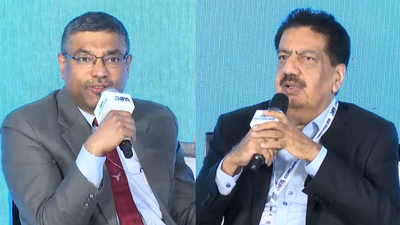
India’s digital news ecosystem is at a critical juncture, as technology, artificial intelligence, regulatory frameworks, and audience expectations converge to reshape the future of journalism. At the DNPA Conclave 2026, leaders from media, technology, and policy discussed how credibility, verified content, and India’s expanding digital public infrastructure are redefining the responsibilities and opportunities for news organisations.Technology can strengthen journalism by amplifying credible and responsible reporting, S. Krishnan, Secretary, MeitY, said, stressing the need to prioritise authenticated information in an era of rapid digital change.“If you create the right kind of content, technology will help you amplify the right kind of message.”He highlighted the public responsibility of publishers to ensure verified and curated information receives precedence over unverified material circulating online.“There’s a social duty, and there’s a social necessity of creating authenticated content. Any content which is authenticated and curated clearly needs to have priority and more privilege than any other content which is just randomly put up there.”The conclave also underscored the convergence of pressures on Indian media. Artificial intelligence adoption, regulatory recalibration, advertiser scrutiny, and audience mistrust are unfolding simultaneously, compressing change and reducing the space for trial-and-error strategies. Publishers are now facing structural decisions that will determine long-term direction rather than short-term growth, particularly in a diverse market marked by linguistic variety, uneven connectivity, and massive youth participation.Adding perspective on India’s digital foundations, Anil Kumar Lahoti, chairman of the Telecom Regulatory Authority of India, spoke during a fireside chat on The Evolving Telecom & Digital Infrastructure Landscape, highlighting how telecom and digital systems are transforming access to information and connectivity.Vineet Nayar, founder-chairman of Sampark Foundation and former CEO of HCL Technologies, addressed The Architecture of India’s Digital Identity, explaining how India’s public digital infrastructure—spanning governance, finance, and identity—is reshaping citizen expectations around access, authentication, and trust. For media organisations, this signals that credibility, inclusion, and accessibility are no longer optional—they are central to their role.India’s digital public infrastructure positions technology as civic architecture, placing media at the heart of a broader ecosystem of digital citizenship. Globally, India is being observed as a model for integrating technology, governance, and public interest, with media serving as both a participant and a stakeholder in this transformation.The conclave, held under the theme “Rewriting the Playbook for a Resilient Digital Future,” brought together leaders to explore how trust, innovation, AI, regulation, and sustainable growth will shape the next phase of India’s news industry.
[ad_2]
Source link
Source: Times of India
📝 We aim to deliver up-to-date headlines with full publisher credit.