⚡ Auto Brief: This content is part of our real-time syndication stream.
[ad_1]
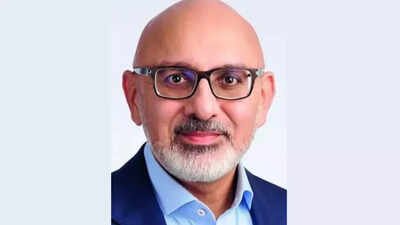
NEW DELHI: In a rapidly reshaping global economy, strategic sovereignty has emerged as a guiding imperative, as nations navigate global supply chains while safeguarding critical capabilities in an increasingly fragmented world, global business leaders said. During a panel discussion, KPMG India CEO Yezdi Nagporewalla, global leaders across new age economy, technology and defence, financial inclusion, and consumer sectors, discussed the challenges and opportunities of operating in a fragmented global economy.Highlighting the core of strategic sovereignty in a world of global supply chains, General Atomics Global Corporation CEO Vivek Lall, chief executive of, said, “It is about reducing vulnerability to geopolitical choke points, whether in energy, technology, manufacturing, logistics, or data. Strengthening domestic capabilities while building trusted international partnerships is critical, and it is equally important to develop resilience against any potential choke points. As the global community moves forward, the underlying theme is going to be human resource training and human resource knowledge, capabilities. This is often underemphasized, but at the root of strategic sovereignty is a strong focus on human resource development.”Talking about how strategic sovereignty is reshaping the flow of global capital, Kishore Moorjani CEO – Alternatives, Private Funds CapitaLand Investment said, “Perhaps there’s no better place to see that in action than in India. When the country began liberalising over 30 years ago, it was hungry for capital and attracted significant foreign institutional investment. While FII capital is important, it can be fickle. Today, the situation has reversed: capital is chasing India… We respect the sovereignty of the markets we operate in and align our investments accordingly. We come to build India, not just trade.”Discussing the role of financial institutions in building national resilience, Mary Ellen Iskenderian, president & CEO of Women’s World Banking, said, “True economic resilience depends on inclusive access to savings, credit, insurance, and digital payments. Financial inclusion strengthens households and communities, particularly in the face of climate shocks and economic volatility, reinforcing national stability from the ground up.”On the question of how consumer brands maintain core identity while navigating local cultures, regulations, and consumer expectations, Mike Jatania, CEO and chairman The Body Shop & co-founder of Aurea, said: “For brands operating across borders, maintaining identity while respecting national priorities is essential. If your brand has a clear purpose and core values, it can adapt locally without losing its identity. Purpose, transparency, and trust are economic currency.”
[ad_2]
Source link
Source: Times of India
📝 We aim to deliver up-to-date headlines with full publisher credit.