⚡ Auto Brief: This content is part of our real-time syndication stream.
[ad_1]
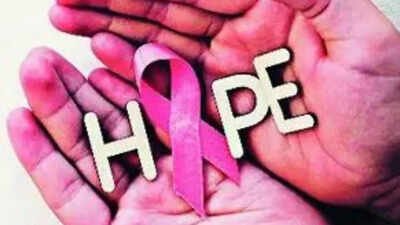
NEW DELHI: For thousands of families across India, the words “cancer-free” mark relief and new beginnings. But what happens after treatment ends has, until now, remained largely undocumented in the country.On the eve of International Childhood Cancer Day, researchers released findings from India’s first large, national childhood cancer survivorship programme, tracking more than 5,400 children who completed treatment across 20 centres, including in Delhi, Mumbai, Chennai, Kolkata and Bengaluru.Launched in 2016 by Indian Paediatric Haematology Oncology Group, the Indian Childhood Cancer Survivorship study is published in ‘The Lancet Regional Health – Southeast Asia’. Lead author Dr Rachna Seth, chief of the oncology division in the department of paediatrics at AIIMS, New Delhi, said the idea was conceptualised in 2014 and became operational by 2016. The analysis includes data from 2016 to 2024.“For years, the focus was only on acute care – that children should survive,” she said. “But now we know many do survive, and they have decades of life ahead of them. What matters next is how they live after treatment.”The early findings are encouraging. The five-year overall survival rate stands at 94.5%, while event-free survival is at 89.9%. Two years after treatment, the survival rate rises to 98.2%. As of Dec 2024, follow-up data was available for 5,140 children, with 92% alive and in remission.Leukaemia accounted for 41% of cases, making it the most common diagnosis in the cohort. Hodgkin lymphoma, bone tumours and retinoblastoma were also among the leading cancers treated. Nearly all children received chemotherapy, about one in four underwent radiotherapy, nearly one-third required surgery and more than half needed blood transfusions. Seth said survivors may face long-term medical and psychosocial challenges, including fertility concerns, cardiac dysfunction, cognitive issues, relapse and second cancers. “These late effects need to be systematically captured. Until now, we were largely extrapolating from Western data. India had none,” she said.While the published analysis covers 20 centres, nearly 35 to 36 centres are now contributing data. “This gives us our own baseline,” Seth said.The median follow-up period so far is 3.9 years from diagnosis. About 5.7% experienced relapse and 4.9% died during follow-up.
[ad_2]
Source link
Source: Times of India
📝 All news content is syndicated with source attribution for transparency.